
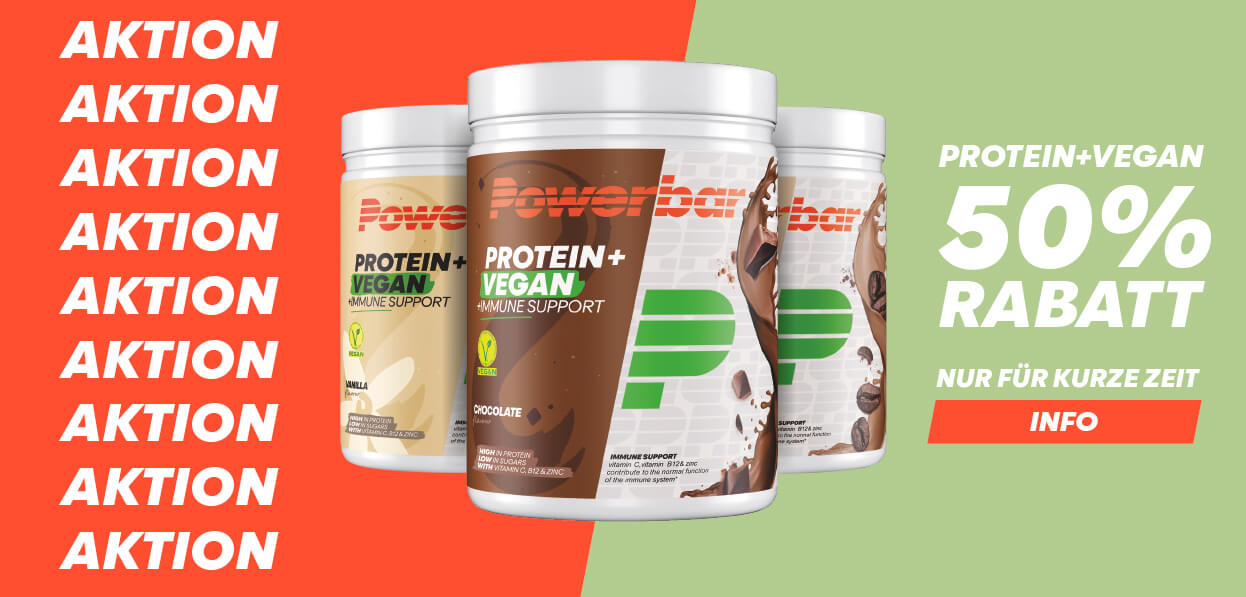
50% Rabatt!
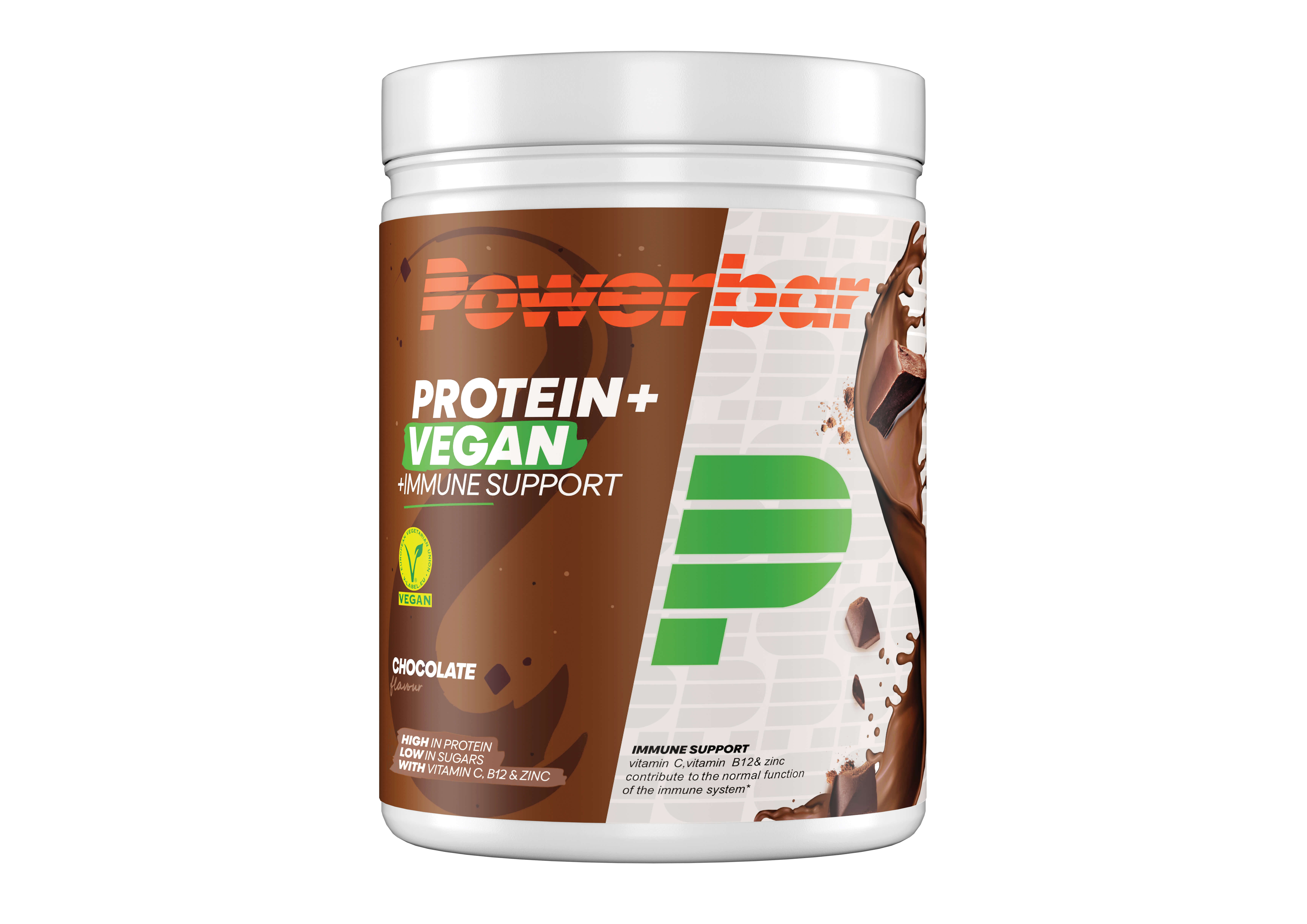
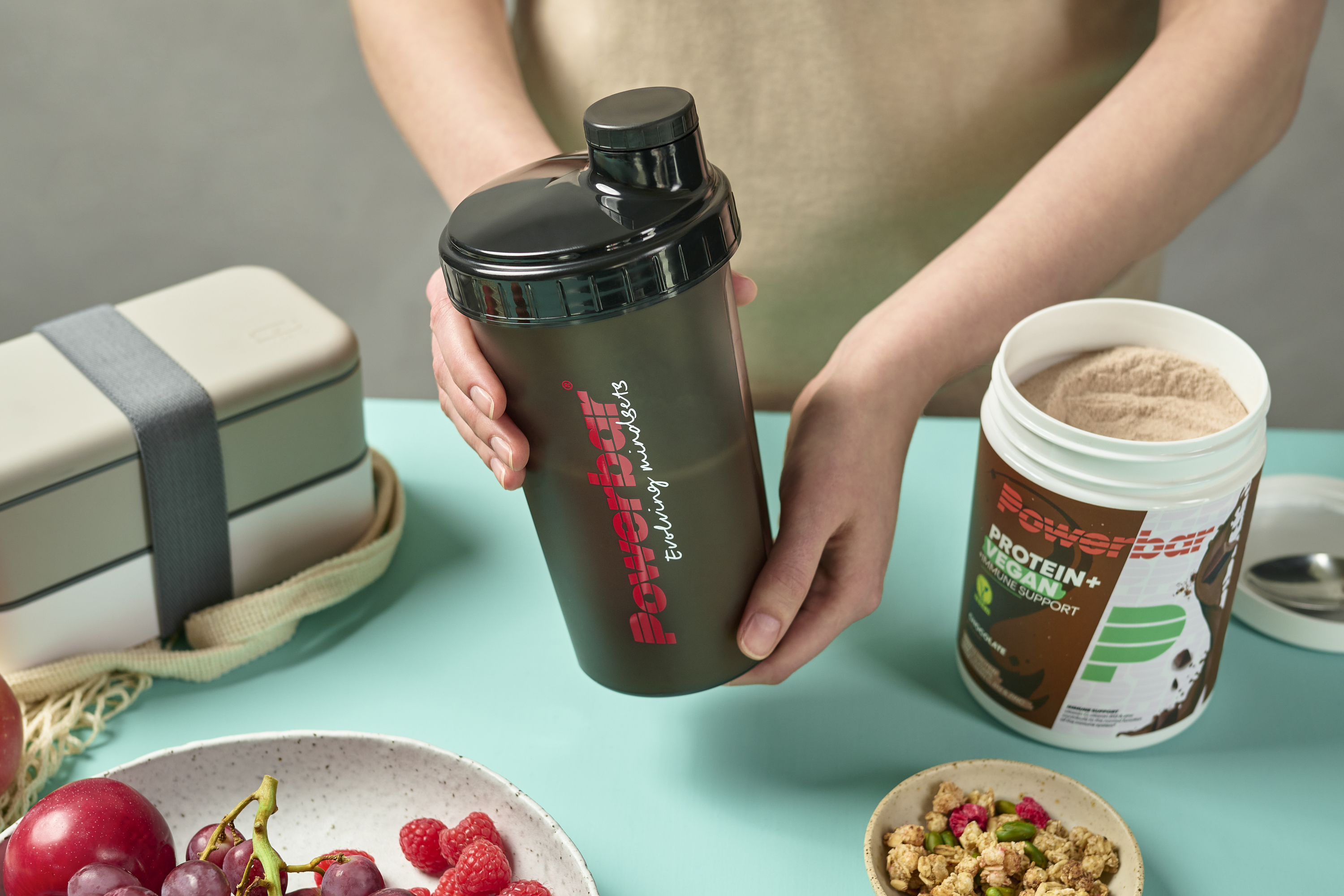
Unser leckeres Protein+ Vegan Pulver liefert Dir pflanzliches Protein ohne Kompromisse im Geschmack! 100% Vegan, 100% Lecker
Mit seiner guten Löslichkeit liefert es nicht nur 20g Protein pro Portion, sondern enthält auch die Vitamine C und B12 sowie das Spurenelement Zink, welche zur normalen Funktion Deines Immunsystems beitragen.
Jetzt Protein+ Vegan probieren
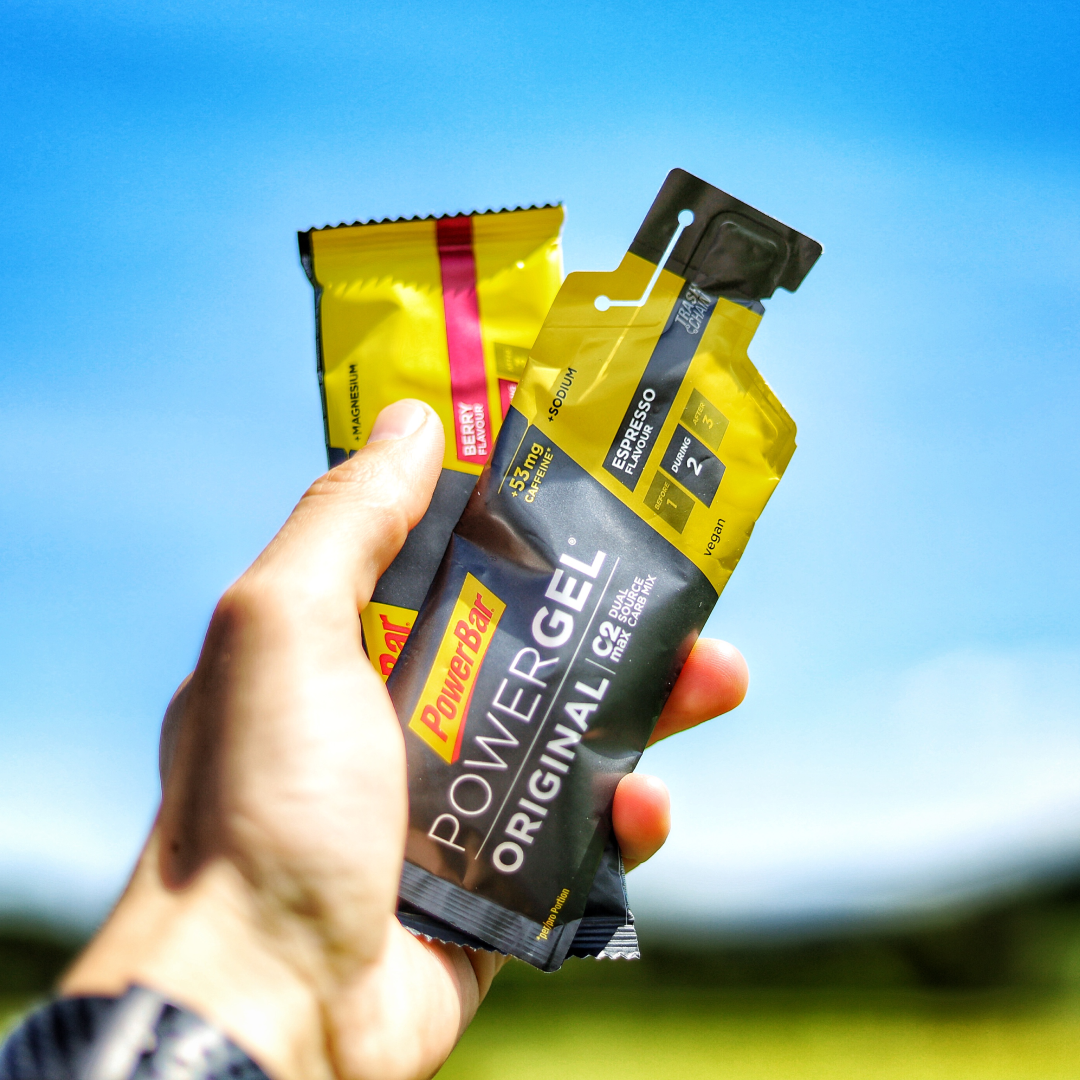

Nutrition Tipps
Was soll wann gegessen und getrunken werden? Wie viel davon? Wir geben dir Tipps zu Ernährung vor, während und nach einem Event – basierend auf wissenschaftlichen Erkenntnissen und unserem Erfahrungsschatz aus über 30 Jahren Powerbar.
Werde Teil unserer Strava Community
Bald ist es wieder soweit! Powerbar unterstützt die Challenge Roth als offizieller Nutrition Partner - schaut euch die Produkte an, mit denen wir die Athleten unterstützen.


Dein Online-Shop für Sport-Ernährung: Essen und Trinken für den Erfolg
Sport und Ernährung gehören einfach zusammen. Denn ohne die richtige Sporternährung sind Höchstleistungen erst gar nicht möglich. Egal ob Profi-Athlet oder Fitnesssportler, die Nahrungsmittel, die wir zu uns nehmen, haben entscheidenden Einfluss auf unser Wohlbefinden, unsere körperliche Fitness und auch auf die Regeneration nach dem Sport. Genau deshalb beginnt und endet für Sportler das Training und auch der Wettkampf immer in der Küche.
Ob vor, während oder nach dem Sport:
Ernährung macht fit!
Im Sport wollen wir optimale Leistungen erzielen. Dafür müssen vor intensiven und langandauernden Belastungen die Kohlenhydratspeicher in Muskeln und Leber ausreichend gefüllt sein. Für Sportler fast noch wichtiger als für Nicht-Sportler ist zudem ein ausgeglichener Flüssigkeitshaushalt. Daher beginnt die Sporternährungsstrategie in puncto Trinken auch schon vor dem Sport. Der Sportler sollte hier schon „liquide“ sein und ausreichend Flüssigkeit getrunken haben. Um während mehrstündiger und schweißtreibender Aktivitäten leistungsfähig zu bleiben, muss der Körper in regelmäßigen Abständen mit drei Dingen versorgt werden: Flüssigkeit, Energie – in Form von Kohlenhydraten – und Mineralstoffe (Natrium). Hier eignen sich besonders spezielle Sportnahrungs-Produkte wie isotonische Getränke, kohlenhydrathaltige Riegel und Gels. Entscheidend ist es, dass die aufgenommene Energie schnell vom Körper genutzt werden kann und das durch Schwitzen ausgeschiedene Wasser inklusive Natrium schnell wieder ersetzt wird.
Die Erholung und Trainingsanpassungen maximieren – auch das gehört zur Sporternährung. Wer nach dem Sport schnell wieder fit und leistungsfähig sein will, sollte im Anschluss an intensive Aktivitäten die verloren gegangene Flüssigkeit kompensieren und die Kohlenhydratspeicher auffüllen. Da der Stoffwechsel nach der Belastung auf Hochtouren läuft, werden beispielsweise Kohlenhydrate besonders schnell in die Glykogenspeicher eingelagert. Außerdem brauchen die Muskeln Eiweiß für Muskelaufbau- und Reparaturprozesse. Deshalb gilt: auch nach dem Sport die richtige Ernährung nicht vergessen! Eine clevere Ernährungsstrategie ermöglicht physische und mentale Höchstleistungen im Sport. Zudem unterstützt die richtige Ernährung den Regenerationsprozess und minimiert das Risiko für Erkrankungen. Kurzum: Spitzenleistungen sind meist nur dann möglich, wenn ein Athlet optimal isst und trinkt.
Gut verträglich, leicht zu verzehren:
Top-Produkte für die Sporternährung
Doch was macht nun spezielle Sportnahrung aus? Sie ist wie die Powerbar Produkte so entwickelt, dass sie rund um die Belastung gut verträglich ist. Sie kann ohne oder nur mit minimalem Aufwand zubereitet werden und ist selbstverständlich einfach zu konsumieren. Dadurch fällt es dem Sportler viel leichter, die optimale Nährstoffkombination in der richtigen Menge und zur richtigen Zeit in hoher Qualität aufzunehmen.